Conditions of the Spine
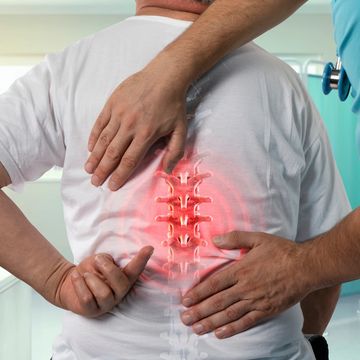
Degenerative Disc Disease
Degenerative disc disease (DDD) is a common, age-related condition where the intervertebral discs—the soft, cushion-like structures between the vertebrae of the spine—gradually wear down. As these discs lose fluid and height, they become less flexible, leading to potential back or neck pain, stiffness, and reduced mobility. While not everyone with disc degeneration experiences symptoms, individuals seeking spine treatment options often explore various methods, including minimally invasive spine surgery, as part of their spine care strategy.

Spinal Stenosis
Spinal stenosis is a condition characterized by the narrowing of spaces within the spine, which can exert pressure on the spinal cord and the nerves. This issue commonly affects the lower back (lumbar) and neck (cervical) regions and is frequently linked to age-related wear and tear, arthritis, or disc degeneration. For individuals experiencing spinal stenosis, exploring minimally invasive spine surgery and other effective spine treatment options can be vital for optimal spine care.

Spinal Instability
Spinal instability refers to excessive or abnormal movement between vertebrae, where the spine can no longer adequately maintain its normal alignment and relationships under typical loads. This condition can lead to pain, deformity, or nerve irritation, and it is crucial for effective spine care. A common example of spinal instability is spondylolisthesis (often referred to as 'listhesis'), in which one vertebra slips forward (or occasionally backward) relative to the vertebra below it. For those affected, minimally invasive spine surgery can be a viable option among various spine treatment options to alleviate symptoms and restore stability.
Our Partners